
Strategic Product Suite Research
Driving Accelerated Product Delivery for Warfighters
Lead UX Design Researcher | U.S. Air Force | Jan 2025 - May 2025
Note: This case study has been sanitized to remove sensitive information, with select details and images blurred, redacted or recreated in accordance with security requirements.
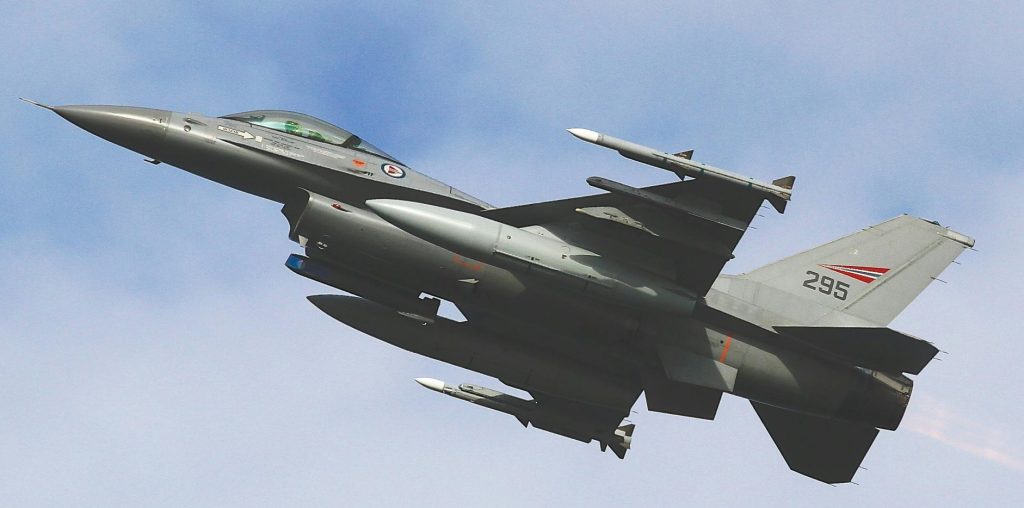
Mission🎯
Enable joint forces to seamlessly request and fulfill air support at scale. Modernize workflows and integrations so requests are automated, consistent, and fully integrated into the Air Tasking process.
Scope: Portfolio-wide research to inform product strategy, scope, and scale. Explore how the suite can support pre-planned support requests, mapping features, data, and integration pathways across applications.
Challenge
- Multiple data sources with inconsistent formats
- Outdated integration patterns → frequent failures & manual workarounds
- Limited time for modernization before capability delivery deadline
- “Throw-away” work risk since upstream modernization was pending
- Difficulty accessing external users for validation
Approach
- Conducted 20+ interviews with operators, stakeholders, and domain experts
- Reviewed doctrine, past research, and legacy artifacts
- Mapped domain spaces, workflows, and data flows to existing architecture
- Worked with engineering on conceptual integration patterns
- Partnered with design to produce workflow concepts & UI mockups for request intake, tracking, and fulfillment
Impact
- Delivered research insights + workflow concepts to guide integration strategy
- Defined request sources, holding pen concepts, and status notifications
- Proposed UI patterns for pre-filled tasking to reduce manual data entry
- Enabled product + engineering teams to begin work on support request integration capability
- Informed product roadmap with strategic portfolio-level insights
Reflection
Wins: Built clear picture of integration challenges, uncovered hidden data flow issues, and provided actionable workflows for delivery.
Challenges: Heavy technical dependencies, reliance on outdated integration patterns, speculative or conflicting opinions on approach.
Next Time: Escalate earlier to architecture/engineering for a technical research assessment, since much of the problem space was integration-driven rather than user-driven.
Learn More
Diving into the details....
Strategic Product Suite Research
Outcome
- Deliver research artifacts that inform the scope and scale of what is necessary to support air support request within the existing Air Tasking interface and any integration needs
- Deliver a workflow and concept designs that dictates request fulfillment and data flow in the existing air tasking tool interface
- Define request sources and necessary integration pathways
Scope
Portfolio-wide research to inform product strategy, scope, and scale. Explore how the suite can support pre-planned support requests, mapping features, data, and integration pathways across applications.
Agency & Users
Air Tasking for U.S. Air Force Air Combat Command
Duration
January 2025 – May 2025
Research Team
1 Lead UX Researcher
1 Lead Product Manager
2 Lead Architecture Engineers
My Role: Lead UX Researcher
Mission & Challenges
Operational Problem
Joint forces require a seamless way to submit air support requests while Air Operations must be able to efficiently task and fulfill those requests at scale. However, the current software suite lacks the automation and modern integrations needed to support this workflow, forcing manual processing that slows execution and introduces data inconsistencies. To meet mission demands, the suite must modernize existing integrations, reduce manual management, and enable automated request handling that at minimum matches legacy capabilities while scaling for future operational requirements.
Why it mattered
Achieving parity with the legacy tool was critical to ensure the suite could provide an integrated air support request capability. Without it, warfighters would be unable to seamlessly fulfill Joint requests at scale, directly impacting mission success.

Success Criteria
- Translate research insights into existing architecture and data flows
- Provide conceptual integration and design strategies for the product suite
- Define domain context, including scope, scale, and anticipated challenges
- Enable the product team to use validated workflows and concepts to deliver the capability into production
Constraints
- Deliver insights quickly enough to support capability deployment by year’s end
- Work within integration and architectural limitations given tight timelines
- Prioritize leveraging existing architecture before considering new solutions
- Relying on upstream modernization is not feasible within the project window
- Research conducted within a classified domain and context
Discovery Research
Approach
Uncovering Workflows and Mapping Integration Opportunities
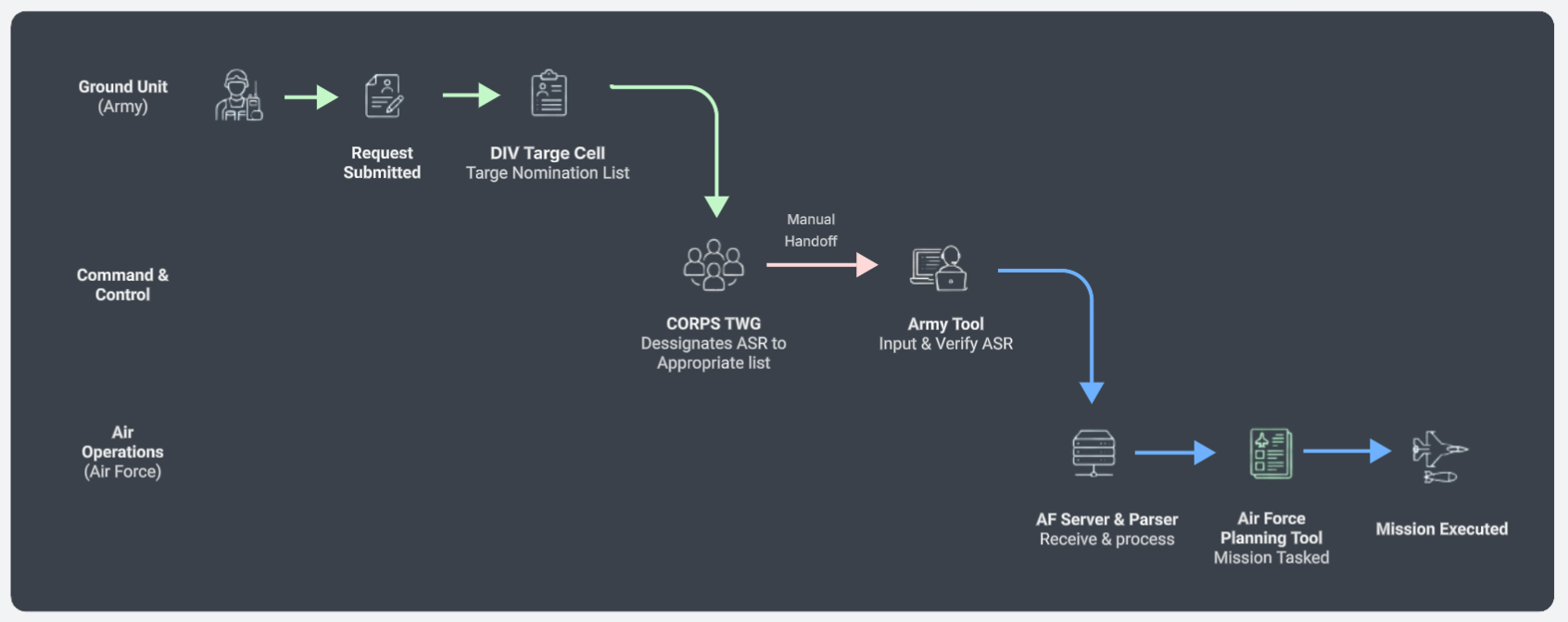
Our research began with a deep dive into both operational legacy systems and past product efforts to understand the context surrounding air support requests. We conducted interviews with domain experts, end users, and stakeholders to validate current process flows, surface hidden capabilities, and learn how requests were managed within operations centers. Desk research complemented these sessions, drawing on doctrine, user manuals, and previous research artifacts to build a solid foundation. To better understand the technical landscape, we mapped domain spaces and data flows against existing architecture, collaborated with engineering on a tentative integration strategy, and worked with design to create mockups aligned with current interface capabilities. We also developed and tested tentative workflow patterns covering request intake, tasking, and fulfillment. Using comparative analysis, service maps, and process mapping, we explored where workflows could be streamlined and where UI adjustments could better support request management. These insights laid the groundwork for framing the problem and defining how a modernized capability could scale effectively while remaining aligned with user needs and system constraints.
Insights
Challenges
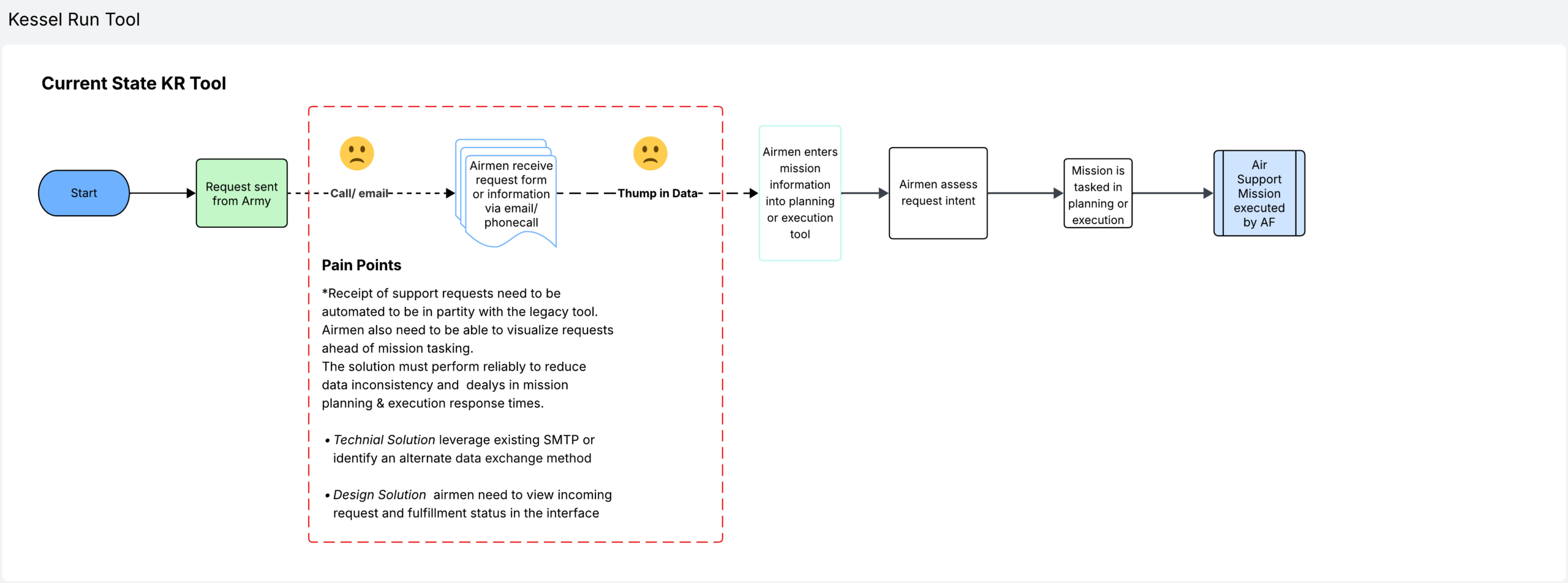
- The original integration model wasn’t a complete copy paste IE wouldn’t work for all route sources of data
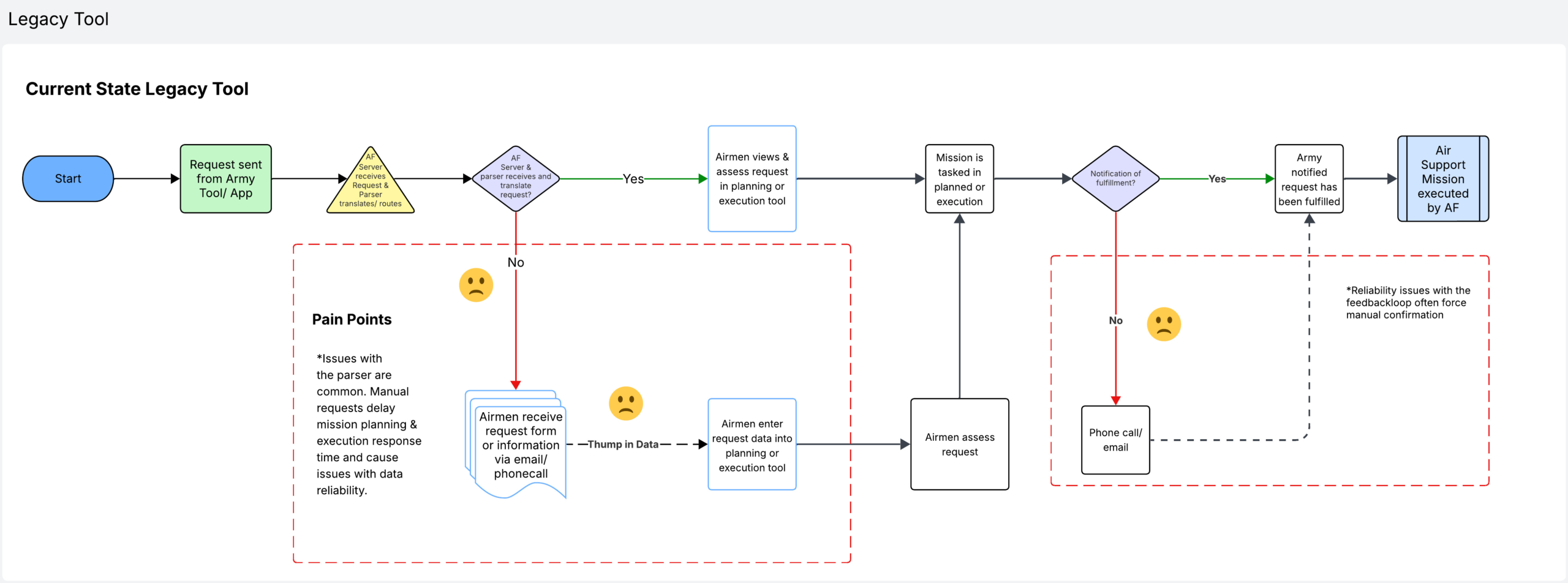
- The current integration broke a lot forcing manual communication to validate request receipt and feedback
- A one size fits all approach was possible but would require a technical deep dive outside the scope of design
- Redundancies existed in terms of data sources. IE the same data was coming from two different sources.
- Parts of the data were being documented in other locations before reaching the user or receiver which would need to be accounted for during the modernization effort
- This was a data integration technical problem to be solved and less of a design problem
- Another tool was being adopted temporarily which provided some capability but was lacking a feedback loop and proper data documentation
- Providing a status or feedback loop to requesters would reduce manual comms
- Manually receiving updates to the data will not be sustainable
- More real time data & display up
- The application will need to integrate or share data with applications outside of the suite
- Data was coming from multiple sources and systems in different formats
- The integration pattern was old and outdated but there wasn’t time to build out a more modern approach initially
- Upstream sources were looking to modernize their systems in the not so distant future so the solution would eventually be throw away work.
- Lots of different opinions on how to approach the integration
- Availability and responsiveness for external interviews was limited
Problem Framing
Problem Statement
Joint forces and Air Operations lacked modern tooling to submit, task, and fulfill air support requests at scale. The current suite relied on manual processes and outdated integrations, creating delays, data inconsistencies, and limiting the ability to meet mission demand.
– “Outdated tools forced manual processing of air support requests, slowing execution and limiting scalability.”–
Core Jobs To Be Done Use Cases
Primary User
- Air Tasking Planning Operators (Pilots)
- Receive external support request through data integration
- Fulfill request by tasking missions and plans for approval
Design Objectives
- Introduce a notification for request received, in progress & fulfilled/tasked
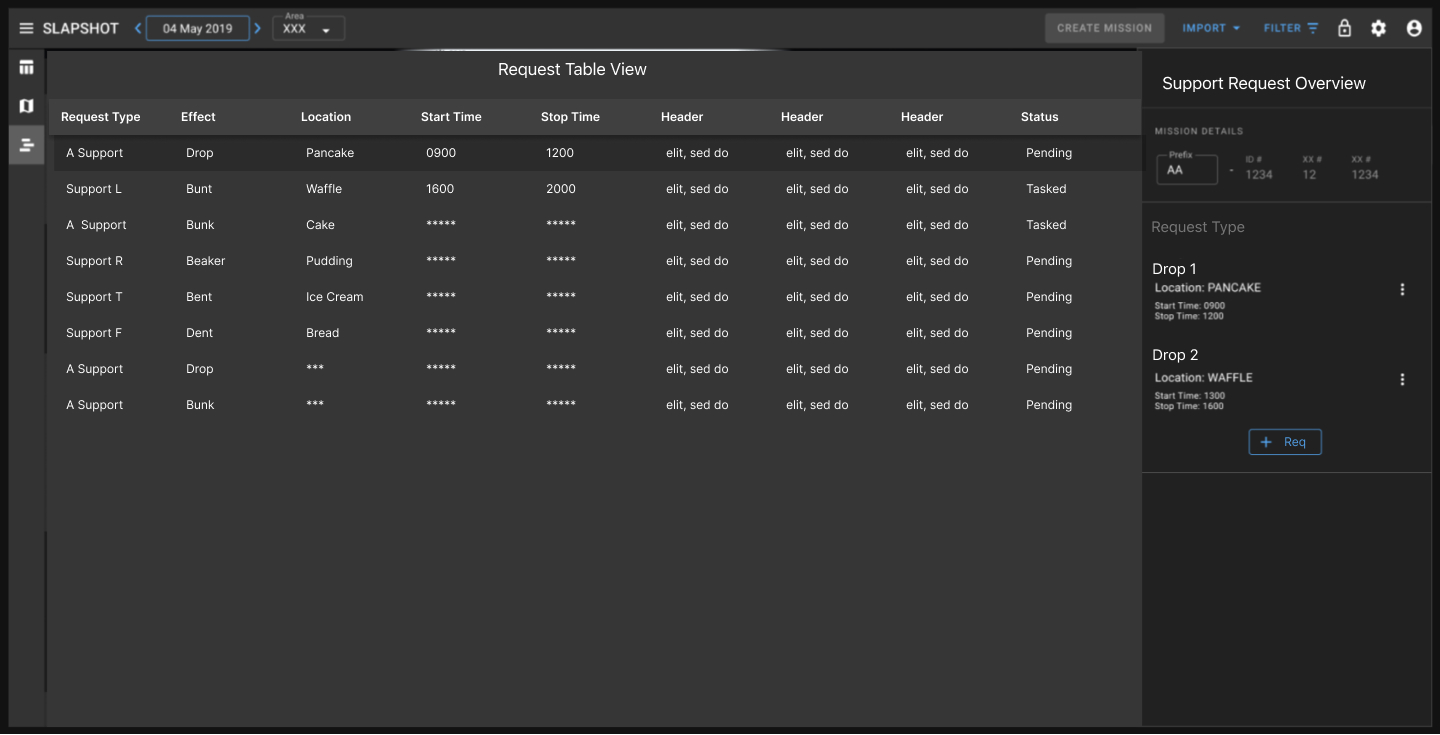
- Introduce a holding pen for request received
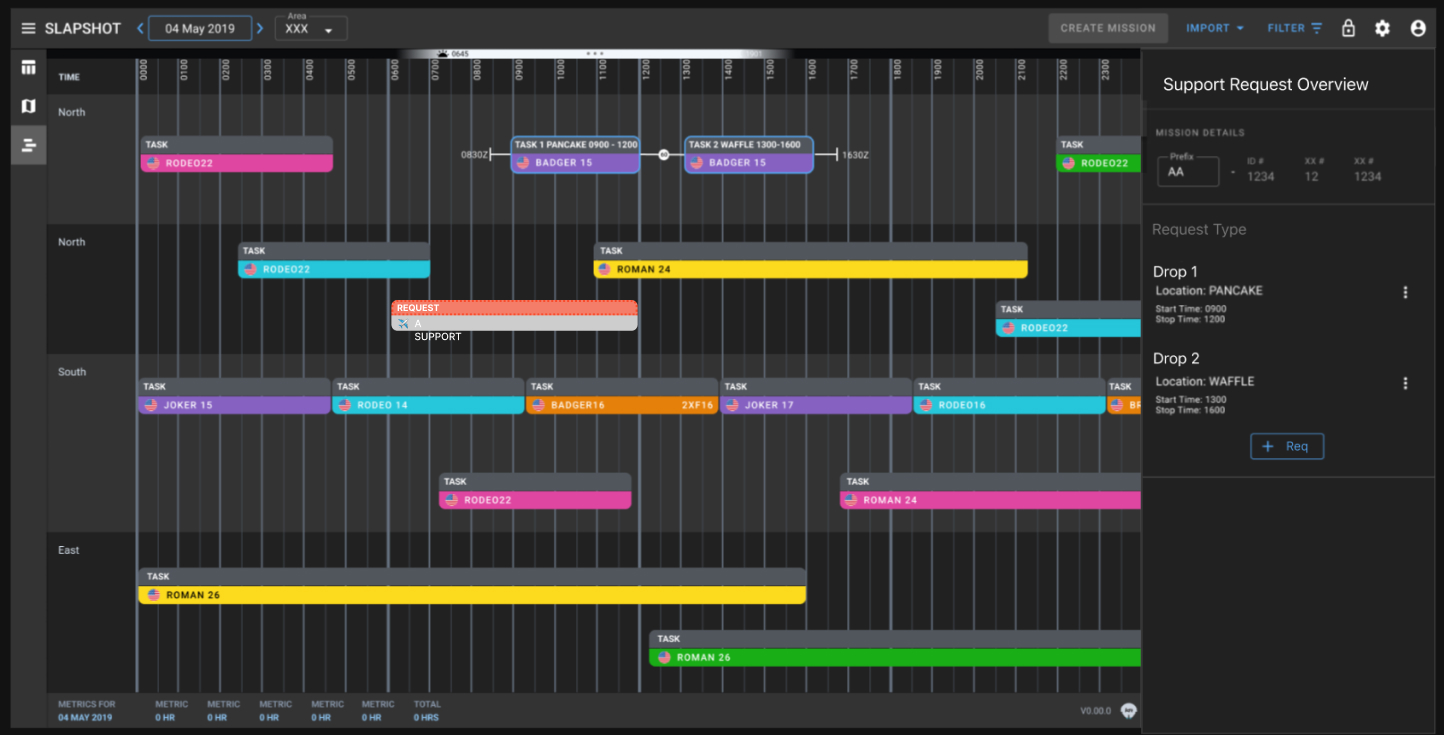
- Introduce the concept of converting a request to fulfilled once tasked
- Handoff all insights workflows and concepts to the product team
- Workflow must demonstrate how request data is received via integration and the users approach to fulfilling sed request
- Handoff design concepts to the product team designers
- Introduce filters to reduce clutter to the viewing space
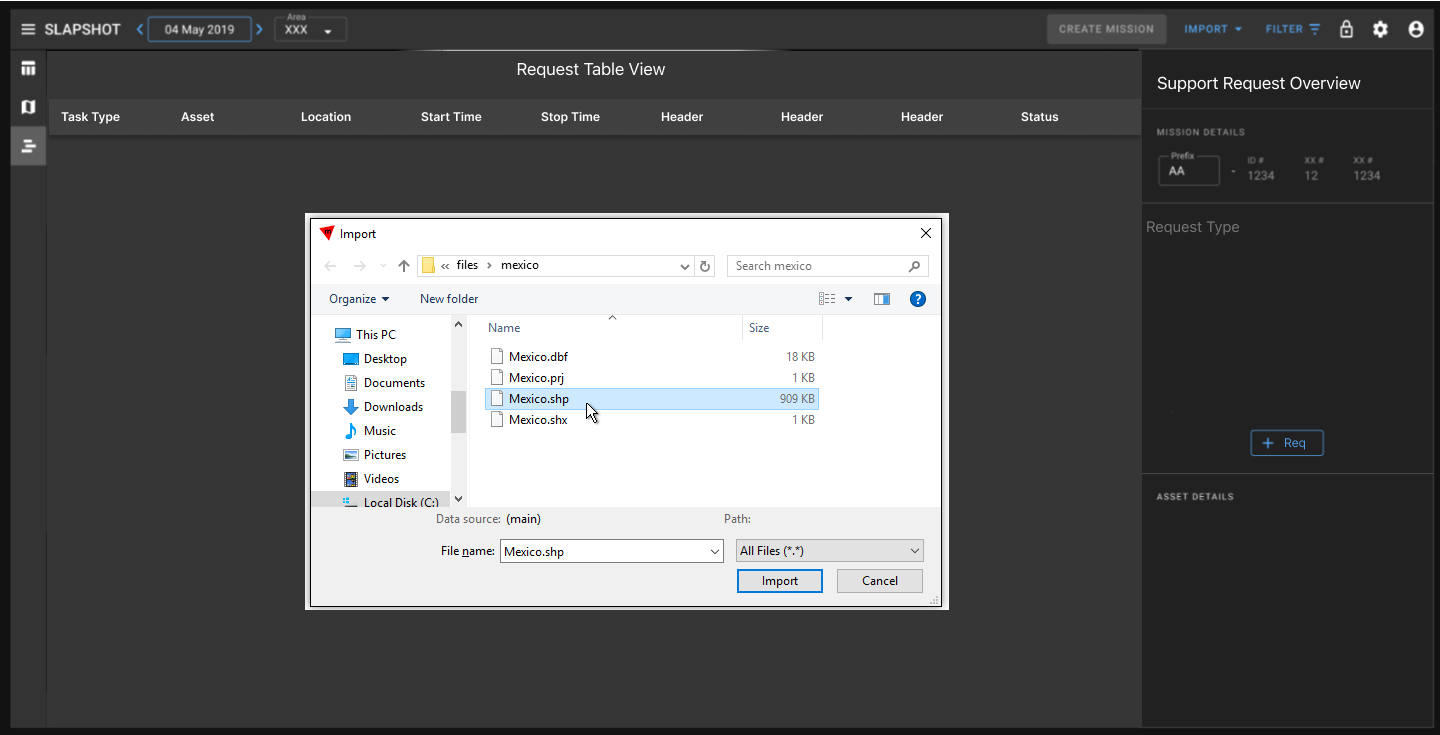
- Introduce request data form fields that can be help support a prefilled task to reduce manual hand jamming of data
- Utilize the current design system and known interactions Update the UI to match the current design system and trends
Strategy & Exploration
Research Artifacts
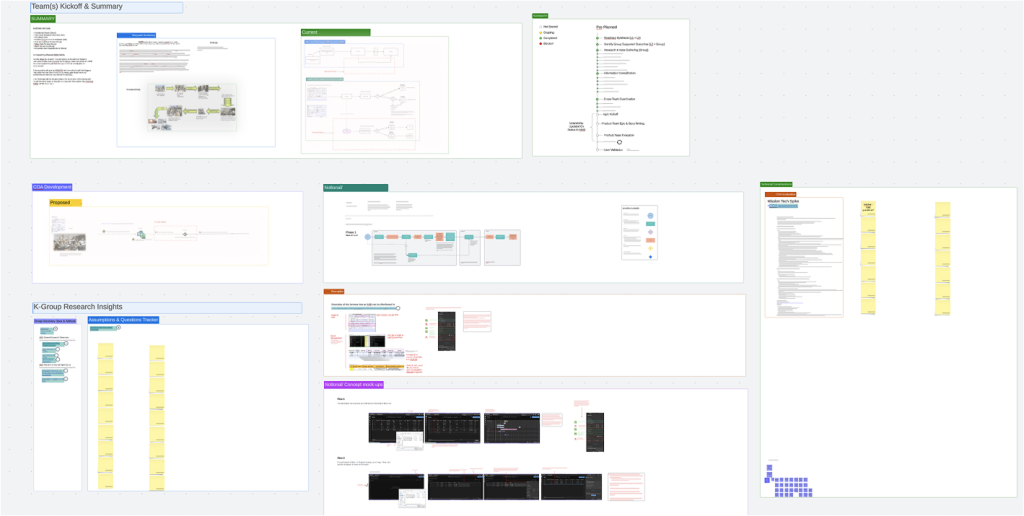
Outdated tools forced manual processing of air support requests, slowing execution and limiting scalability. Through user research, I mapped how requests were received and fulfilled, then introduced concepts like status notifications, a holding pen for new requests, and prefilled task forms to cut down on manual entry. These workflows and insights were handed off to product managers and designers, providing a clear path to modernize the system within the current design framework and accelerate mission support.
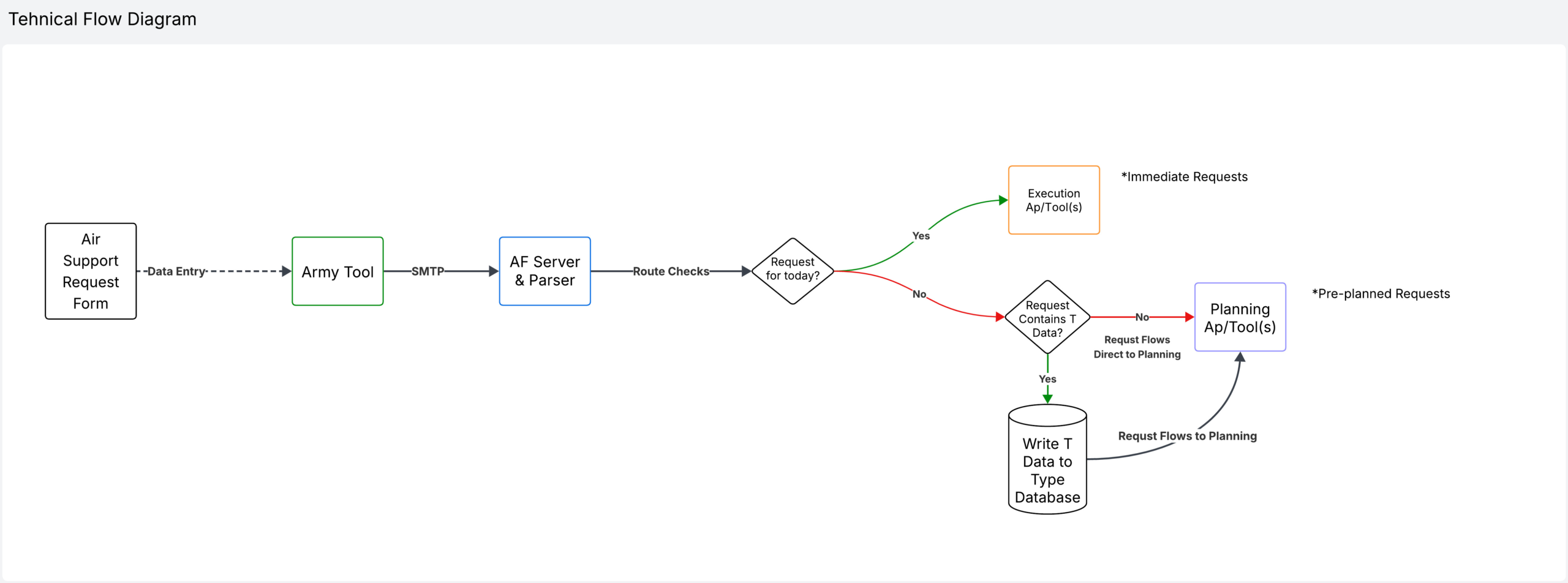
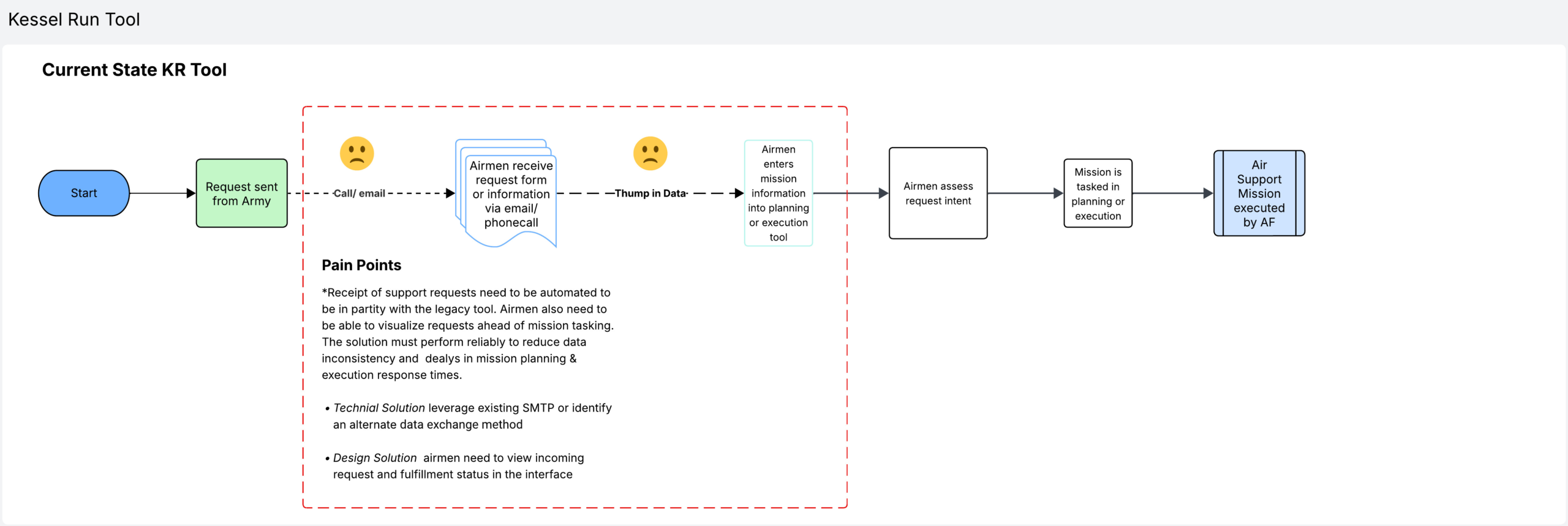
UX Research Contribution &
Collaboration
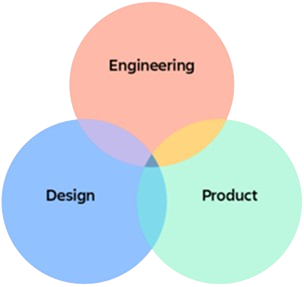
UX Research
- Served as sole UX Researcher and initial UI designer, owning early discovery and concept design.
- Defined and delivered initial workflows, wireframes, and design concepts that shaped product direction.
- Generated actionable insights from research and proposed design recommendations to guide product strategy.
- Led and facilitated 20+ internal and external user interviews, synthesizing findings into clear themes.
- Presented insights and design rationale to stakeholders, leadership, and the product team to drive alignment.
Collaboration
- Partnered with leadership and stakeholders to define scope and iteratively rescope based on research findings.
- Collaborated with the product lead to align user needs with business priorities and roadmap decisions.
- Worked closely with the engineering lead to inform architecture choices and integration planning.
Conceptual Designs
Conceptual wireframes explored future-state capabilities, including proactive status alerting, request triage workspaces, and pre-populated task flows to reduce cognitive load and manual effort.
Reflections
Outcomes &
Reflection
What worked
- Uncovered critical insights about the data flow architecture and system limitations that were previously unknown.
- Provided the team with the foundation to deliver a complete support request integration capability.
- Built a clear, shared understanding of the current state of the request ecosystem.
- Delivered strategic insights that directly informed and accelerated product line delivery.
Challenges
- Limited access to external users, making validation more difficult.
- Abundance of speculation and conflicting information around the best integration strategy.
- Difficulty securing support for short-term or disposable work.
- No ability to wait for external modernization efforts before proceeding.
- Some research areas had to be handed off to engineering for technical spikes, as they were out of scope for design.
- Many challenges were technical architecture problems, not traditional user research ones.
- Constraints of an outdated integration approach with no time for modernization upfront.
What we would do different
- Involve the architecture team earlier and scope the work as a technical research assessment, given the nature of the challenges.
- Clarify early that much of the work would be re-validating knowns and strategizing integration approaches, rather than pure user research.
- Establish a process to surface technical questions upfront, ensuring the right expertise is aligned from the beginning.
Leadership Insight
- Clear scoping is critical. This project showed that distinguishing between design research and technical architecture challenges early on enables the right teams to lead, reduces wasted effort, and accelerates delivery.